Amsterdam’s ban on publicly celebrating Catholic Mass
Midwinter BreakAmsterdam’s ban on publicly celebrating Catholic Mass restricted the visible practice of Catholic worship without eliminating Mass itself: Catholics could still gather in one another’s homes. Recounted by Kathleen Walsh during a conversation with Stella, the rule links religious authority and public space to a quieter form of communal worship carried out behind domestic doors.
The Restriction and Its Workaround
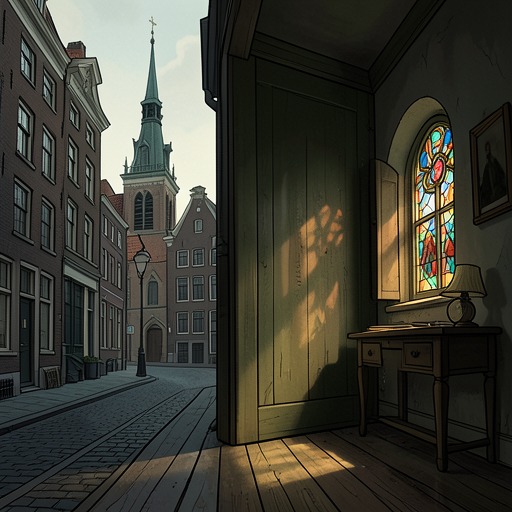
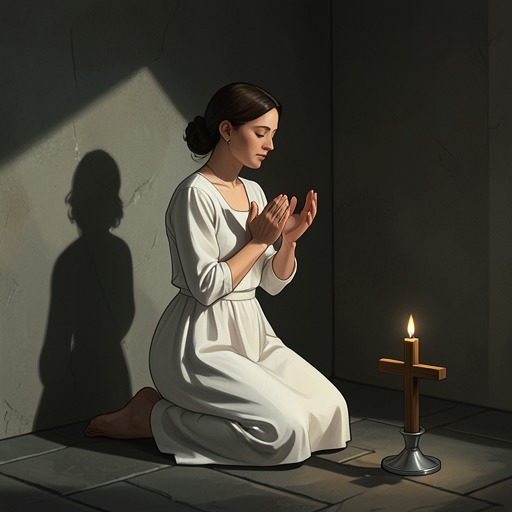
Kathleen dates the prohibition to around 1600, when, she explains, Amsterdam’s City Fathers banned Catholicism. She clarifies that Catholics were allowed to attend Mass, but not in public; they worked around that restriction by holding services in one another’s houses. The distinction matters: the account describes a constraint on public religious practice alongside a means of continuing worship, rather than the disappearance of Catholic observance.
Household Worship and Its Afterlife
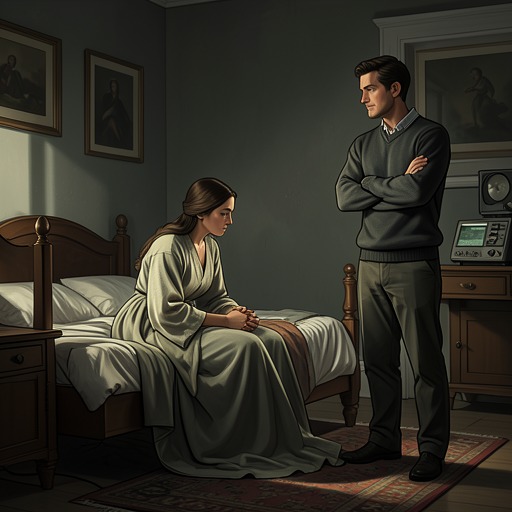
For Kathleen, the private setting carries a particular appeal. She says she likes its intimacy and recalls that home Masses were popular in the 1960s, even in Northern Ireland. Stella replies that she was not born until the 1970s, marking a generational distance from that remembered practice. Their exchange places the historical rule in a broader account of worship in homes: a workaround to public prohibition that could also be valued for the closeness it offered.
Place in the Narrative
The rule enters the narrative through a guided conversation rather than a formal historical exposition. Kathleen touches Stella’s elbow as she explains the restriction, and the exchange turns from the past prohibition to the personal significance of worship in a domestic setting. The contrast between public limits and household intimacy gives the rule its narrative weight: it is both a fact about Amsterdam’s religious history and a point of connection in the women’s conversation.